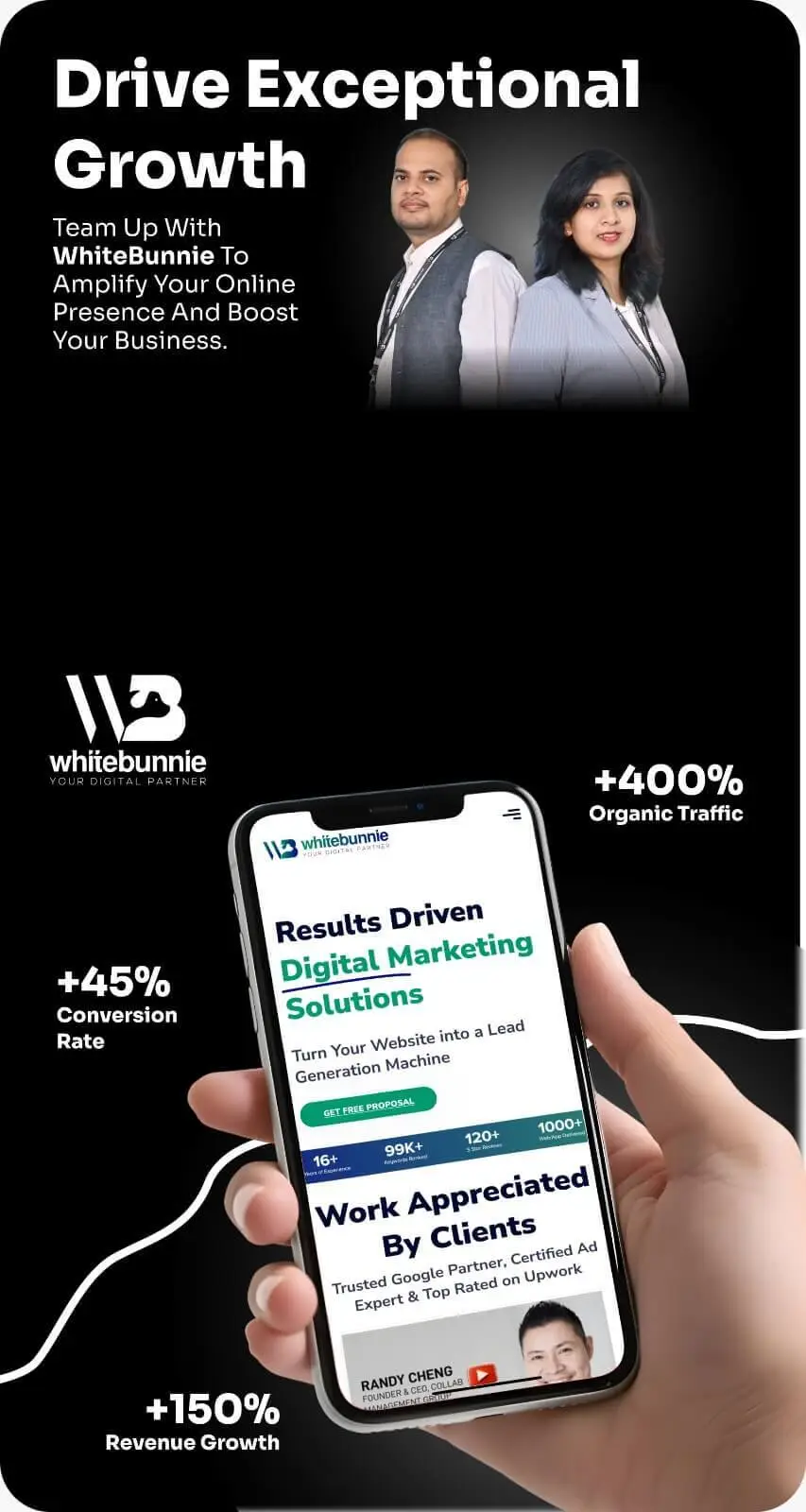


What Is LLMO? The Complete Large Language Model Optimization Playbook
-
Author
Ankit Sain -
Publish
July 24, 2026 9:40 am -
Read Time
14 Min
 Lets talk










Fill in the Form below for a no-string attached free technical discussion.
LLMO in 60 Seconds
- LLMO (Large Language Model Optimization) is the practice of structuring your content, technical setup and off-site reputation so large language models such as ChatGPT, Gemini, Claude and Perplexity understand your brand, trust it, and cite it when they answer questions.
- SEO wins positions. LLMO wins mentions. Both matter, and they run on largely the same infrastructure.
- The behaviour shift is measurable. Forrester’s 2026 Buyers’ Journey Survey of roughly 18,000 global business buyers found 94% used AI at some point in their most recent purchase process. G2’s 2026 study of 1,076 B2B buyers found 51% now start vendor research in an AI chatbot, up from 29% a year earlier.
- India sits at the front of this curve, not behind it. India is ChatGPT’s second-largest market with around 100 million weekly active users, and Google’s AI Mode counts over 100 million monthly users across the US and India.
- The five things that actually move citations: entity clarity, third-party coverage, answer-first content structure, technical crawlability, and consistent freshness.
- The things you can skip: llms.txt files, artificial content chunking, and AI-specific rewrites. Google said so directly in its May 2026 documentation.
- Realistic timeline: early structural wins in 4 to 8 weeks, meaningful citation share in 3 to 6 months.
Ask a founder in Noida how they found their last software vendor and you will hear something new. They did not open Google and scroll. They opened ChatGPT, described the problem, and asked which tools solve it. Then they asked a follow-up. Then they asked which of those three is best for a 40-person team in India.
By the time they visited a website, the shortlist was already built.
That is the shift LLMO responds to. The buyer still researches. They just do it inside an assistant that reads the web on their behalf and hands back three names. If your brand is not one of those names, you never entered the conversation.
There is no page two of an AI answer.
Large Language Model Optimization (LLMO) is the practice of making your brand and content easy for large language models to find, interpret and reuse, so that AI assistants mention, cite or recommend you when users ask questions in your category. It combines AI SEO, content structure, entity consistency, technical accessibility and off-site reputation.
Put simply: SEO asks how to rank a page. LLMO asks how to become part of the answer.
The models involved include ChatGPT, Google Gemini, Claude, Perplexity, Microsoft Copilot, and the assistants now embedded inside phones, browsers, CRMs and helpdesk tools. Some generate answers from what they learned in training. Most now retrieve live pages before responding. LLMO has to satisfy both paths.
You will see LLMO, GEO, AEO and AIO used almost interchangeably. Here is the honest position, which most agencies avoid stating:
Google’s own May 2026 documentation takes a blunter view. In Google’s guide to optimizing for generative AI features, the company states that its AI features are rooted in its core Search ranking and quality systems, and treats AEO and GEO as SEO rather than separate disciplines.
That is correct for Google. It is incomplete for everything else. ChatGPT, Claude and Perplexity do not run on Google’s index and do not share its quality systems. Optimising only for Google’s AI surfaces leaves the rest of the market uncovered, which is exactly why LLMO exists as a wider frame.
The numbers moved fast between 2025 and 2026.
Read those two findings together and the strategy writes itself. Being cited is now worth more than being ranked but ignored.

For Indian B2B companies selling into the US, UK and UAE, this cuts both ways. Your buyers are researching inside assistants. So are your competitors’ buyers. The upside is that citation is still cheap to win in most B2B niches because so few brands have organised for it.
You cannot optimise for every assistant. Rank your effort by where your buyers actually are.
Similarweb data published in July 2026 puts worldwide web-visit share across the major assistants roughly as follows:
1. ChatGPT at about 53.9%, down from 79% a year earlier. Still the default. Retrieves through Bing’s index for live queries.
2. Google Gemini at about 27.9%, up around 450% year on year. Powers AI Overviews and AI Mode, so optimising here overlaps almost fully with Google SEO.
3. Claude at about 9.2%, the fastest riser in the set. Skews heavily toward professional, enterprise and technical users, which matters if you sell B2B.
4. DeepSeek at about 4%, mainly non-Western markets.
5. Grok at about 2.4%, tied closely to X.
6. Perplexity at about 1.3% of web visits, but disproportionately important because it cites sources visibly on every answer.
7. Microsoft Copilot at about 1.3% on the web, though enterprise seat numbers are far larger than web traffic suggests.
Two cautions before you build a plan around this. First, measurement methods disagree. Statcounter’s referral-based ranking and Sensor Tower’s app-user ranking produce different orders. Second, app usage adds between 15% and 60% on top of web visits depending on the assistant.
Practical read for an Indian B2B or SaaS brand: ChatGPT, Gemini and Claude cover the overwhelming majority of the opportunity. Perplexity is worth tracking because its visible citations make it the cheapest place to diagnose whether your content is retrievable at all.
Three mechanisms run in parallel.
Models learn from large text corpora scraped over time. Evergreen, well-structured content on an established domain can shape what a model believes about your category long before anyone searches. You cannot control this directly. You can only publish material worth learning from and give it time.
Most assistant answers today involve retrieval. The model rewrites the user’s question into several search queries, fetches pages, and synthesises. This is where technical SEO and LLMO become the same job. If a page is slow, blocked, JavaScript-dependent or buried, it does not get fetched.
This is the part most teams underinvest in. Models weight information that appears consistently across multiple independent sources. A claim that only exists on your own website is a claim with one witness.
Analyses of AI citation trends through 2026 consistently rank brand mentions and third-party coverage among the strongest observable predictors of citation. Cyrus Shepard’s May 2026 AI Citation Ranking Factors study, which synthesised 54 experiments, patents and case studies, scored structural clarity and editorial content highly and found no credible evidence that llms.txt files influence citations.
The Princeton GEO research reached a related conclusion from the other direction: adding citations to reliable external sources produced one of the largest measured improvements in how often content was used in generative answers.
Translation. Cite others well. Get cited by others often. Say the same thing about yourself everywhere.
Most published frameworks list overlapping pillars. This one is sequenced, because order matters. Fixing layer four before layer two wastes budget.

Before content, settle what you are. Strong entity SEO starts with keeping your business name, category, services, locations, founding year and leadership consistent across your website, LinkedIn, Google Business Profile, Crunchbase, industry directories and every listing you control. Add Organization and Service schema. Mismatched entity data is the single most common reason an assistant describes an Indian agency inaccurately.
Content that cannot be fetched cannot be cited. Check that key pages render server-side, load fast, sit on clean URLs, appear in your XML sitemap, and are not blocked in robots.txt. Then check your AI crawler policy specifically. GPTBot, ClaudeBot, PerplexityBot and Google-Extended are separate user agents. Many Indian sites block them by accident through a security plugin and never find out.
Structure content for AI discovery the way an assistant needs to consume it.
This is where most LLMO programmes are won or lost. Earn mentions on sources the models already trust: industry publications, review platforms such as G2 and Clutch, respected newsletters, podcasts, and community forums where your category gets discussed. Encourage clients to name the service and the outcome in reviews rather than leaving generic praise.
Track citations, not just rankings. Then update. Freshness is a genuine retrieval signal, and stale statistics get a page skipped.
Keywords are two words. Prompts are twenty. Write 30 to 50 realistic prompts your buyers would type, in their own phrasing. For a Noida-based ERP consultancy, that looks like:
Group them into definition, comparison, vendor selection, implementation and measurement clusters.
Ask every prompt in ChatGPT, Gemini, Claude and Perplexity. Record whether your brand appears, whether the description is accurate, and which competitors and sources get cited instead. Those cited sources are your target list for Layer 4. This one exercise usually reshapes the whole content plan.
Create one authoritative pillar page per major theme, supported by focused articles that each answer a single prompt cluster. Interlink them properly. A single post cannot establish topical authority, and thin pages built for every query permutation actively dilute it.
Go through your highest-value existing pages and add the answer-first opening, question-shaped headings and self-contained sections described in Layer 3. This is usually faster and more effective than publishing new content.
Implement Organization, Service, Article and Product schema properly. One important update: Google added a deprecation notice to its FAQ rich result documentation, and the feature stopped appearing in Google Search from 7 May 2026. FAQ content still earns its place for users and for AI extraction. Do not build a strategy around the rich result.
Pitch genuine expertise to publications your buyers read. Publish original data. Get listed and reviewed on the platforms your category is compared on. This is slow work with compounding returns.
Track four things:
A short list, because the noise around this topic is expensive.
B2B services and agencies: Buyers ask assistants to shortlist vendors. Publish frameworks, methodology and real case data. Create pages that answer vendor-selection prompts directly, including how to evaluate a partner and what the work costs.
SaaS and product companies: Documentation is an underrated LLMO asset. Detailed help articles, integration guides and use-case pages strengthen SaaS citations because they answer specific implementation questions no marketing page covers.
Local and regional businesses: Assistants increasingly answer near-me intent. Consistent NAP data, service-specific location pages and reviews that name both the service and the city do most of the work.
Is LLMO just SEO with a new name?
No, though they overlap heavily. SEO improves ranking positions. LLMO improves how AI systems understand and reference your brand across ChatGPT, Claude, Perplexity and Google’s AI surfaces. Google treats its own AI features as SEO, but that logic does not extend to assistants that run on different indexes.
Do I still need traditional SEO in 2026?
Yes. Crawlable, well-ranked content is the raw material retrieval systems pull from. Google has confirmed its AI features are rooted in core Search ranking and quality systems. Dropping SEO to chase LLMO removes the foundation the citations stand on.
How long does LLMO take to show results?
Structural fixes and answer-first rewrites can shift citations within four to eight weeks. Building genuine entity authority and third-party corroboration typically takes three to six months of consistent work, similar to SEO timelines.
Is LLMO only worth it for large brands?
No. Smaller brands often win faster in specific niches because so few competitors have organised their content and entity data properly. A focused specialist can outrank a generalist enterprise in AI answers for a narrow query set.
How do I check if my business appears in AI search results?
Ask 20 to 30 buyer-style prompts across ChatGPT, Gemini, Claude and Perplexity, and log whether your brand appears and whether the description is accurate. Perplexity is the fastest diagnostic because it shows its sources on every answer.
LLMO is not a rebrand of SEO and it is not a replacement for it. It is what happens when an assistant sits between your buyer and your website, and someone has to decide which three companies get named.
Start with the audit. Ask the prompts your buyers ask. Write down what the assistants say about you today, accurate or not. That single document usually tells you more about your visibility gap than any keyword report will.
At White Bunnie, we run this exact sequence for B2B and SaaS clients across the US, UK, UAE and India, starting with entity and retrievability before any content gets written. If you want to see where you currently stand across the four major assistants, that baseline audit is the right first step.

Ankit Sain is an SEO specialist with over 6 years of hands-on experience in driving organic growth through data-driven and AI SEO strategies. He helps businesses improve visibility, rankings, and conversions with sustainable search solutions.
Before giving credit to one between AI and traditional SEO one must realize that each has its own scope in […]
Read Post »
AI chatbots have taken huge steps forward, but picking the right one can feel a bit overwhelming in 2025. Two […]
Read Post »
The generative AI performance report is not showing in your Search Console, but you have seen screenshots of it in […]
Read Post »
Copyright © 2026 White Bunnie -All Rights Reserved