

How IT Companies Can Use AI SEO to Generate More Qualified Leads in 2026
-
Author
Saurabh Garg -
Publish
December 10, 2025 9:27 am -
Read Time
8 Min

 Lets talk










Fill in the Form below for a no-string attached free technical discussion.
AI search is reshaping how companies get found online. IT firms must adapt to new tools and strategies if they want more leads. In India and worldwide, over 800 million people use the internet today. This means many potential clients search online first for tech solutions. Search habits are changing people talk to voice assistants or chatbots but one thing remains constant: you must deliver quality, relevant content that meets users’ needs. Many IT brands today are even exploring AI SEO Agency partners to handle this new search landscape.
Experts have coined terms like AEO (Answer Engine Optimization), GEO (Generative Engine Optimization), AIO (AI Optimization) and AI SEO (AI-Driven SEO) to describe modern search tactics. All of these aim at the same goal: getting your content into the hands of people who need it. For example, AEO means designing content so AI assistants and answer boxes can use it directly. GEO targets new AI-powered search features (like Google’s generative search). AIO is about using AI tools to speed up SEO tasks (keyword research, site audit, etc.). AI SEO is an umbrella term for using AI across the whole SEO process, from content ideas to analytics.
In practice, all these ideas boil down to one thing: make sure your site answers user questions in a clear way, whether the “searcher” is a person or an AI engine. This is also why new frameworks like RAG-Based Content Strategy are gaining popularity, helping brands structure information so AI models can reference it more accurately.
Each term highlights that search engines now act more like answer engines. The key takeaway is simple: whether it’s Google, Bing or a voice assistant, they all reward content that directly meets user needs.
IT companies should use modern AI tools to improve their organic SEO. These tools help you work faster and focus on strategy. For example, chatbots like ChatGPT or Google Bard can brainstorm content ideas and draft text. SEO platforms such as Ahrefs or SEMrush have AI features to find keyword clusters and analyze competitors. Content-optimization tools like SurferSEO, MarketMuse or Clearscope suggest how to improve on-page content. And analytics tools (Google Analytics 4, Microsoft Clarity) can now even flag AI-driven search traffic if set up correctly. Many tools also offer modules specifically built for AI SEO for SaaS companies, as SaaS brands depend heavily on recurring organic traffic. Here are some categories of tools to consider:
By using these AI-powered tools, you speed up research and focus on what matters most: high-quality content and real leads. In practice, over half of marketers now rely on AI for content optimization and they report better content quality and ROI when they do so.
The heart of SEO is content. AI SEO is no different. You must still answer real user questions. AI just changes how people ask those questions (e.g. voice prompts, chat queries). Follow these best practices:
In short, write content that people find useful and structure it so that AI can “read” it easily. Keep testing: if you notice an AI answer box listing on a topic, click it to see which content was used and adapt yours to fill similar slots.
Generating traffic is one thing; turning it into qualified leads is the goal. Set up measurable goals in your analytics or CRM. For example, track form submissions, demo requests or downloads that originate from organic search. Use Google Analytics 4 or your CMS to see which pages drive those conversions.
Use these tactics to guide your tracking:
An AI-SEO case study outlined a loop of steps: map out which AI-powered queries you could rank for, optimize content for both AI and people, track the new traffic, and then iterate on underperforming pages. Over time, these efforts led to big gains. For instance, one company saw its AI referral traffic jump over 2,300% in three months; more traffic from AI search fed directly into qualified leads. In another example, targeting just 22 high-intent keywords generated 17 qualified leads in one month. These stories show that focused AI-SEO work can quickly fill your pipeline with warm prospects.
AI-enhanced SEO is a key strategy for IT companies aiming to attract more qualified leads in 2026. By optimizing content for modern search (answer engines and AI chats), using AI tools to boost efficiency, and continually measuring real leads, tech firms can build a steady flow of prospects. The work is long-term: you must keep refining content and staying on top of search trends. But the payoff is worth it – a higher rank for relevant queries means more high-quality traffic to your site. For tailored guidance on implementing these AI SEO tactics, IT companies can partner with agencies that specialize in tech-sector SEO. White Bunnie, for example, focuses on AI-driven SEO strategies to help tech brands turn search traffic into meaningful business leads.

Saurabh Garg, the visionary Chief Technology Officer at Whitebunnie, is the driving force behind our cutting-edge innovations. With his profound expertise and relentless pursuit of excellence, he propels our company into the future, setting new standards in the digital realm.
Google considers Core Web Vitals to be a set of particular elements that contribute to a webpage’s overall user experience. […]
Read Post »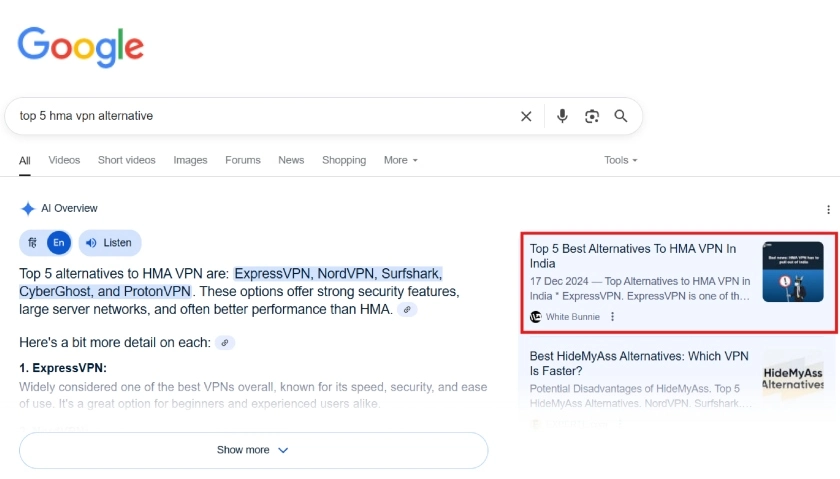
Landing a spot in Google’s AI-generated search results has become a real boost for businesses and creators alike. As Google’s […]
Read Post »
If you’re looking to improve your online visibility, you’ll quickly run into the choice: hire an SEO agency or work […]
Read Post »
Copyright © 2026 White Bunnie -All Rights Reserved