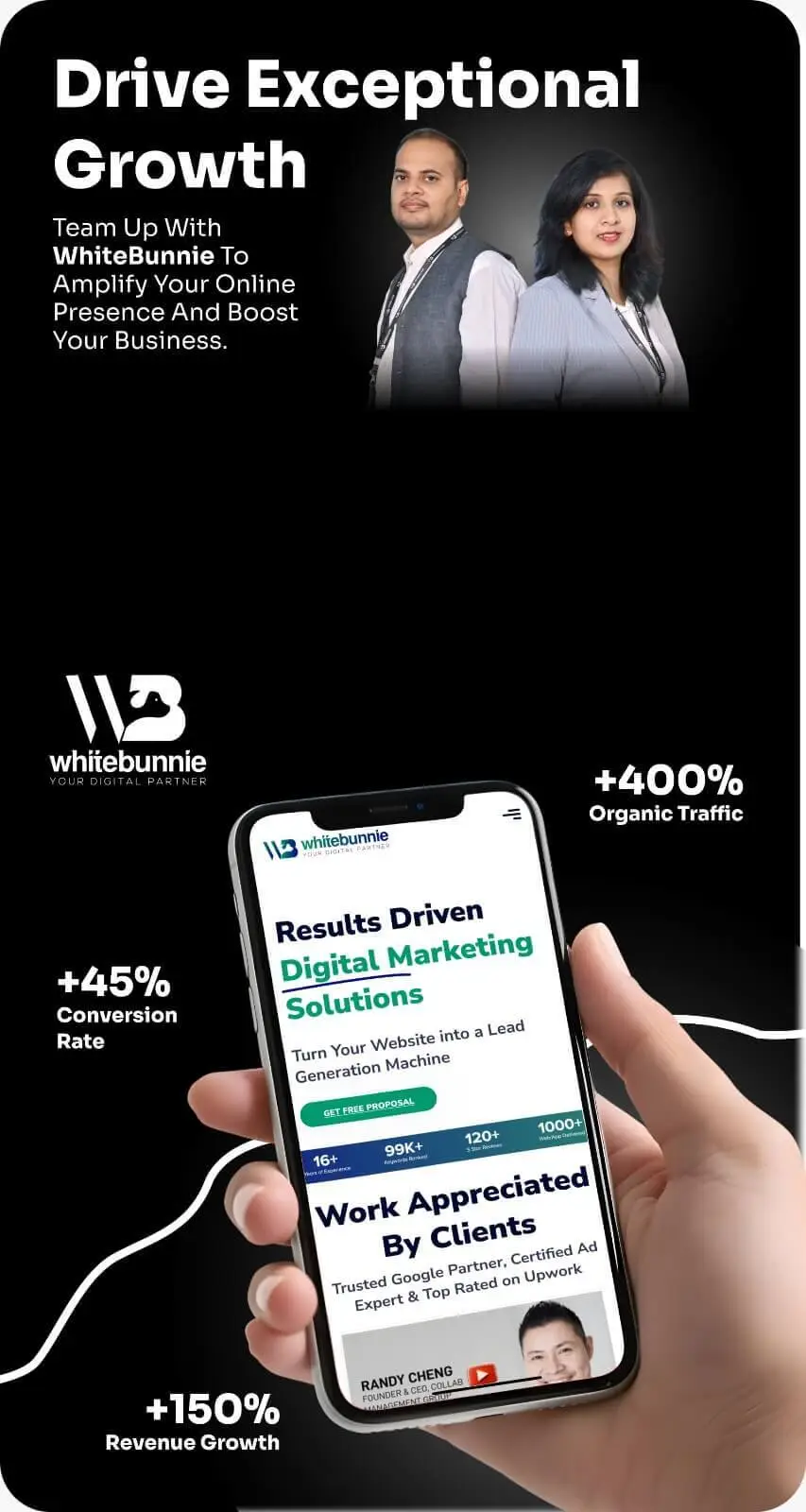


How to Get Your Website Cited in Microsoft Copilot
-
Author
Neha Garg -
Publish
August 12, 2026 7:18 am -
Read Time
13 Min
 Lets talk










Fill in the Form below for a no-string attached free technical discussion.
TL;DR: Quick Summary
Microsoft Copilot cites web pages it finds through the Bing index. To get cited, your pages must be crawlable by Bingbot, indexed in Bing, structured so a single passage answers a single question, and backed by trust signals Copilot can verify across the open web.
- Bing indexing is the entry ticket. If Bing cannot see the page, Copilot cannot cite it.
- Copilot retrieves candidate passages, ranks them for relevance and reliability, then attaches footnote-style citations to the sources it used.
- Bing Webmaster Tools AI Performancehas been the only first-party way to see your Copilot citations since Microsoft opened the public preview on 10 February 2026.
- Answer-first writing, clean HTML, current dates, named authors and schema markup do most of the heavy lifting.
- Enterprise Microsoft 365 Copilot answers can pull your public content into procurement and research workflows you never see, which is why B2B brands gain the most.
Most marketing teams have a Google plan, a growing ChatGPT plan, and nothing at all for Microsoft Copilot. That gap is expensive. Copilot sits inside Windows, Edge, Bing and Microsoft 365, so it answers questions at the desks of the exact people who sign off on software, services and vendor shortlists.
When Copilot answers, it does not hand back ten blue links. It writes a short answer and footnotes a handful of sources. Your brand is either one of those footnotes or it is absent from the conversation.
The good news is that Copilot visibility is one of the more predictable parts of AI search. The retrieval layer is public, the indexing rules are documented, and Microsoft now reports your citation data back to you. This guide covers how Copilot picks sources, what to fix first, how to measure progress, and how the work overlaps with answer engine optimisation more broadly.
A Copilot citation is a footnote-style link attached to a generated answer, pointing to the page Copilot used as evidence. Users see the numbered reference beside the claim and a source panel listing the domains behind the response.
Three things follow from that:
Public web citations and enterprise citations are different. Inside Microsoft 365 Copilot, answers can also reference internal files, mail and Teams content. Microsoft documents how web access works in that setting in its Microsoft Learn guidance on web search in Copilot. Your public content competes only in the web-grounded half of that experience.

Copilot follows a grounding pipeline. Understanding the four stages tells you where your page can fail.
Copilot rewrites the conversational prompt into one or more search queries. A single question such as “which ERP consultants work with NetSuite in the UAE” can trigger several retrieval passes, each with different phrasing.
Candidate pages come from Bing. Microsoft made this architecture explicit in June 2026 when it announced Web IQ, a set of AI-native grounding APIs built on the Bing index that return passage-level evidence objects rather than whole documents. The direction of travel is clear: retrieval is moving from pages to passages.
Retrieved passages compete on how directly they answer the query, how current they are, how consistent the claim is with other sources, and how credible the domain looks. Pages that already perform in Bing organic results tend to appear in the candidate pool more often.
A language model drafts the answer and attaches citations to the passages it leaned on. Specific, checkable material gets cited most often. Statistics, definitions, named entities, prices, comparisons and step counts all invite attribution. Broad opinion rarely does.
If you want the wider picture of which source types AI systems tend to trust, our breakdown of who influences AI responses maps the citation categories in more detail.
This is the part most teams skip because Google traffic looked healthy. Bing is a separate crawl, a separate index and a separate set of blocking mistakes.
Set up Bing Webmaster Tools and import your Google Search Console properties if you have them. Submit your XML sitemap, then use URL Inspection to confirm that priority pages are indexed rather than merely discovered.
Bing supports IndexNow, an open protocol co-developed by Microsoft that notifies participating engines the moment a URL is added, updated or removed. You host a small key file and ping an endpoint at publish time. Microsoft has linked IndexNow directly to AI freshness, since faster discovery helps AI systems reference the current version of a page instead of an older one.
Two practical notes. IndexNow speeds discovery; it does not guarantee indexing. And it complements sitemaps rather than replacing them.
Run through this list on every property:
A single blocked user agent can remove an entire site from the candidate pool. This is the cheapest fix in the whole playbook, and it usually surfaces inside a routine technical SEO review.
Retrieval works on passages. Write so that any 60 to 120 word block can stand alone as a complete answer.
Put a direct, self-contained response in the first two sentences under each heading, then expand. A passage that opens with context and buries the answer in paragraph four rarely survives extraction.
Copilot rewrites prompts into search queries. Headings phrased the way buyers actually ask questions match those rewrites more often than clever headings do.
Named figures, dates, versions, methods and comparisons give the model something worth attributing. Vague superlatives give it nothing. Every statistic should carry a source and a date, because unverifiable claims are a liability in a system that cross-checks facts across sources.
Schema does not buy a citation, but it helps machines parse what a page is. Use Schema.org markup for Article or BlogPosting, FAQPage, HowTo, Product, Organization and LocalBusiness where each applies. Keep the datePublished and dateModified fields accurate, since recency influences whether a newer source displaces you.
These habits pay off across every answer engine, which is why we treat them as shared infrastructure rather than Copilot-only work. Our comparison of SEO, AEO and GEO explains where the three layers overlap.
Relevance gets you into the candidate pool. Reliability gets you cited.
Named authors with credentials, review dates, methodology notes and first-hand data separate a source worth quoting from a summary of other people’s work. Our guide to building genuine experience into content covers how to do this without padding.
AI systems corroborate. Your company name, description, service list, locations and leadership should match across your site, LinkedIn, business profiles, review platforms and press coverage. Conflicting facts make a brand risky to cite.
Industry publications, association listings, podcasts, comparison sites and analyst write-ups all feed the corroboration layer. For B2B brands, a handful of credible independent mentions often moves citation rates more than another ten blog posts.
Copilot tends to return to domains it has learned to associate with a subject. Clusters beat one-off posts. If you sell one service and publish across twelve unrelated themes, you dilute the association. Our practical walkthrough of topical authority sets out how to build clusters that hold together.
Until early 2026, Copilot visibility was guesswork. That changed when Microsoft launched AI Performance in Bing Webmaster Tools as a public preview on 10 February 2026, the first publisher-facing citation dashboard from a major search platform, as Search Engine Land reported at launch.
The dashboard reports five things for a verified domain:
Microsoft expanded the report in June 2026 with intents, topics, citation share and comparison views, which makes competitive benchmarking possible inside the same tool.
Know the limits before you report on it
Pair the dashboard with a fixed prompt set. Write down 20 to 30 questions your buyers actually ask, run them in Copilot on a schedule, and log whether you appear, which page was cited and who shared the answer with you. That log turns a vague ambition into a metric.
The tracking category matured quickly. These are the platforms that consistently rank in search results for AI visibility monitoring and that list Microsoft Copilot among their supported engines. Verify current coverage and pricing on each vendor site before you buy, because tiers change every quarter.
Buy on engine coverage and workflow fit rather than feature count. If your buyers live in Microsoft 365, a tool that does not report Copilot separately is not much use to you. We compare the wider category in our review of LLM tracking tools for AI search visibility.
The fundamentals overlap, but the differences change where you spend effort.
One practical conclusion: work done for Copilot rarely stays inside Copilot. Clean crawlability, answer-first structure and verifiable claims raise your odds everywhere.
Expect indexing wins within days and citation movement across weeks. Teams that treat this as a quarterly programme rather than a one-time fix see the compounding effect, which is the same pattern visible in our client case studies.
Bing can index a submitted page within days once crawl access is clean. Citations depend on ranking and trust, so most sites see the first movement across four to twelve weeks and steadier volume after a quarter of consistent publishing.
Indirectly. The content qualities overlap, but the retrieval layer does not. Copilot pulls from Bing, so a page that ranks well on Google and is missing from Bing earns nothing. Check both indexes.
No. Schema helps machines parse a page and improves the odds of clean extraction, but relevance, clarity and credibility decide selection. Treat structured data as support, not as the strategy. It is one item on any thorough SEO audit.
Partly. The June 2026 update to AI Performance added citation share and comparison views inside Bing Webmaster Tools. For prompt-level competitor tracking you need a dedicated visibility tool or a disciplined manual log.
Only when the answer is grounded in public web content. Enterprise answers that reference a company’s own documents, mail and chat stay inside that tenant and never appear in your reporting.
Copilot citation is not a separate discipline bolted onto SEO. It is the same content, made retrievable in a second index and written so a machine can quote it without guessing. Fix Bing indexing, publish specific and dated answers, keep your facts consistent everywhere, then measure with the free dashboard Microsoft already gives you.
Most competitors have not started. That window will not stay open. At White Bunnie, we run this work as part of a broader AI visibility programme for B2B brands across the US, UK, UAE and India. If you want a view of where your pages stand today, that is a short conversation and a straightforward audit.

Neha founded White Bunnie in 2018. The agency specializes in SEO, AEO, and GEO for B2B IT services, SaaS, and ITES companies targeting global markets. Their work has helped brands move from zero visibility to consistent AI citations across various popular AI platforms like ChatGPT, Perplexity, and Gemini.

The financial technology sector is booming, with experts predicting it will reach a global market value of $3.4 billion by […]
Read Post »
Quick Summary Nearly 44% of citations AI models pull come from your first 30% of page content. Fresh pages updated […]
Read Post »
DR,TR What is AEO? It stands for Answer Engine Optimization. It is the strategic process of structuring your content, so […]
Read Post »
Copyright © 2026 White Bunnie -All Rights Reserved