

Long-Form vs Short-Form Content: Which One Actually Works?
-
Author
Saurabh Garg -
Publish
November 11, 2025 11:15 am -
Read Time
7 Minutes
 Lets talk











Fill in the Form below for a no-string attached free technical discussion.
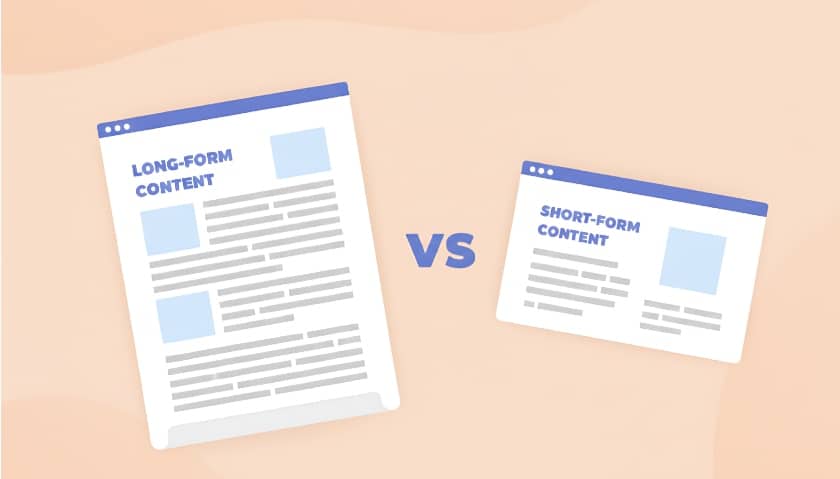
In today’s fast-paced digital landscape, a common dilemma for marketers and business owners is whether to create quick, snappy content or invest in detailed, in-depth pieces. The truth is, you don’t have to choose one over the other. The most effective strategy understands the unique role each format plays in guiding your audience from first awareness to final decision.
The key to winning in 2025 is not picking a side, but knowing how to use both short-form and long-form content strategically. Short-form grabs attention quickly, while long-form builds the trust needed to convert a visitor into a customer. The balance between the two is where you’ll find Content That Ranks and Converts.
Short-Form Content is built for our shrinking attention spans. It’s the content you consume in under a minute, often in just a few seconds. We’re talking about Instagram Reels, TikTok videos, and quick Twitter threads. Its main job is to stop the scroll and make someone look up from their phone. For businesses, short-form plays a vital role in Content Marketing for SEO when used strategically to drive brand awareness and quick engagement.
Long-Form Content is where you go to learn something properly. This includes detailed blog posts (like this one), in-depth YouTube tutorials that run over ten minutes, and comprehensive case studies. This format doesn’t just state a fact; it explains the how and why behind it. Long-form content often aligns better with Content Formats AI Answer Engines Love, as search and AI systems increasingly favor well-structured, informative pages.
The way people in India consume content tells a clear story. We love our quick hits, but we also crave substance.
Our Short-Form Addiction: Let’s be honest, most of us watch short videos every single day. Recent data shows an overwhelming majority of Indian internet users engage with platforms like Instagram Reels and YouTube Shorts daily. These platforms are where new trends are born and brands get discovered.
The Quiet Power of Long-Form: But then, when we want to make a decision like which course to buy or which software to use, we search for deeper information. Watch time for detailed product reviews and educational videos on YouTube remains consistently high. For complicated purchases, a 30-second clip just doesn’t cut it.
So, how do you decide what to create? Stop thinking about format first. Start with your goal.
Pull out short-form when you need to:
Get noticed quickly. It’s perfect for building brand awareness and reaching people who have never heard of you.
Connect with a younger audience. If your target audience lives on Instagram and TikTok, you need to speak their language.
Ride a trend. When a new meme or topic is hot, short-form lets you react fast and stay relevant.
Drive a simple action. Use it to get people to visit your profile, click a link in your bio, or watch a story.
Bring in long-form when your aim is to:
Become a trusted expert. A well-researched guide or tutorial shows you know your stuff better than anyone else.
Explain something complex. If your product or service needs more explanation, a quick video won’t do it justice.
Generate serious leads. People who spend 10 minutes on your webinar or read a full case study are much more likely to become customers.
Improve your search engine ranking. Google tends to favor comprehensive content that fully answers a user’s query.
| What you’re trying to do | Use This Format | Why it works |
|---|---|---|
| Get your brand seen | Short-Form | Grabs attention fast in a crowded feed. |
| Teach a complex skill | Long-Form | Provides the space needed for proper learning. |
| Build trust and authority | Long-Form | Shows you have deep knowledge, not just a quick tip. |
| Go viral and drive traffic | Short-Form | Highly shareable and easy to consume. |
Consider a company based in Bangalore that sells eco-friendly home cleaning products. Here is how they could blend both content types:
The Hook (Short-Form): They post a satisfying 25-second Reel showing a dirty kitchen counter being wiped clean with their spray and a cloth. The caption asks, “Tired of stubborn stains?”
The Depth (Long-Form): The Reel links to a 12-minute YouTube video. This isn’t just a cleaning demo. It features the founder explaining the science behind their plant-based ingredients and comparing their effectiveness to traditional chemical cleaners.
The Conversion: The video description links to a blog post with a detailed guide on creating a non-toxic home, which ends with a special offer on their starter kit.
See how it works? The brand later ran a Content Audit and found that their long-form video drove 3x higher time-on-page than their short-form posts. The Reel acts as a trailer for the full movie. It captures a wide audience, and the long-form content does the heavy lifting of convincing and converting the interested viewers.
The question is no longer which one drives better results, but how they work together. Short-form content is your hook—it captures attention and builds broad reach. Long-form content is your depth it educates, builds trust, and drives conversions .
The brands that will set the pace in India’s digital marketplace are those that master the rhythm between the two. They use 15-second stories to make a memorable first impression and follow up with substantive content to build a lasting relationship . In the end, consumers will reward the balance of brevity and substance.

Saurabh Garg, the visionary Chief Technology Officer at Whitebunnie, is the driving force behind our cutting-edge innovations. With his profound expertise and relentless pursuit of excellence, he propels our company into the future, setting new standards in the digital realm.

Internal linking is an important part of On page SEO that can significantly enhance site’s visibility and user experience. With […]
Read Post »
You might find it difficult to keep up with important news, industry shifts, and brand mentions. With the endless flow […]
Read Post »
Performance Marketing in 2026 (Quick Summary) Performance marketing in 2026 is built on five pillars: AI-led bidding you direct rather […]
Read Post »
Copyright © 2026 White Bunnie -All Rights Reserved