

Content Marketing for SEO in 2025: From Strategy to Results
-
Author
Saurabh Garg -
Publish
June 18, 2025 12:05 pm -
Read Time
6 Min

 Lets talk











Fill in the Form below for a no-string attached free technical discussion.
Content marketing is no longer a fad—it’s the backbone of any business hoping to stand out online in 2025. While search engines keep getting smarter, and audiences have a nose for authenticity, there’s no shortcut to meaningful, results-driven content. If you’ve ever thought, “SEO feels like a moving target,” you’re in good company. The secret? Content that actually serves a purpose, rather than just ticking off boxes for algorithms.
You’ve probably noticed that search engines don’t reward keyword cramming anymore, and—thank goodness—readers have little patience for it too. Google and its peers are obsessed with surfacing content that real people actually care about. If you focus on quality, that’s good news for you.
Here’s why genuine content marketing is fueling SEO growth in 2025:
Let’s get down to brass tacks: A smart content marketing strategy isn’t just a brainstorm or a to-do list. It’s about understanding what makes your audience tick and serving up exactly what they need. This can involve building strong content clusters around specific topics, which helps search engines understand the depth and breadth of your expertise.
It sounds basic, but vague personas won’t cut it here. Dig into comments, forums, and social media to figure out what your real readers ask about. Use keyword research (sure, tools like Semrush help—but so does just asking customers directly) to guide your topics. Don’t be afraid to try niche topics; sometimes the posts you least expect end up being your traffic drivers.
You’ll hear “expertise, authority, and trust” everywhere, but what does that mean for you? It’s not about being the smartest person in the room. It means:
There’s more to content marketing than blog posts. Some folks want quick answers, others dive deep into long articles or listen to podcasts on their drive. To really connect, consider:
You don’t have to do everything at once. Start with what you can do well—and expand as you learn what your audience loves.
Truth is, if your blog post sounds like it was written just for bots, people will bounce. Instead:
It’s about walking that fine line between optimization and readability. When in doubt, read it out loud—if it sounds awkward, revise. Also, don’t be afraid to implement Content Pruning practices, regularly removing or updating outdated posts so only your strongest and most relevant content remains visible.
If you aren’t tracking how your content is doing, you’re flying blind. Keep an eye on:
Don’t stress if you don’t hit a home run with every post. Even a small edit—a stronger headline or more relevant example—can make a difference over time.
Sure, AI and automation are rewriting some rules, but in 2025 the best content still comes from a place of honesty. People know when a company actually cares about helping them, and so do search engines. Those who blend creativity with strategy—who aren’t afraid to sound human—will connect, build trust, and grow.
In the end, content marketing for SEO isn’t about tricking a bot. It’s about understanding your audience, speaking directly to them, and sharing something of real value. Rankings might get you seen at first, but only genuine connection will keep people coming back.

Saurabh Garg, the visionary Chief Technology Officer at Whitebunnie, is the driving force behind our cutting-edge innovations. With his profound expertise and relentless pursuit of excellence, he propels our company into the future, setting new standards in the digital realm.

If you’ve seen organic traffic or CTR drop despite steady rankings, generative AI might be the reason. AI cannibalization occurs […]
Read Post »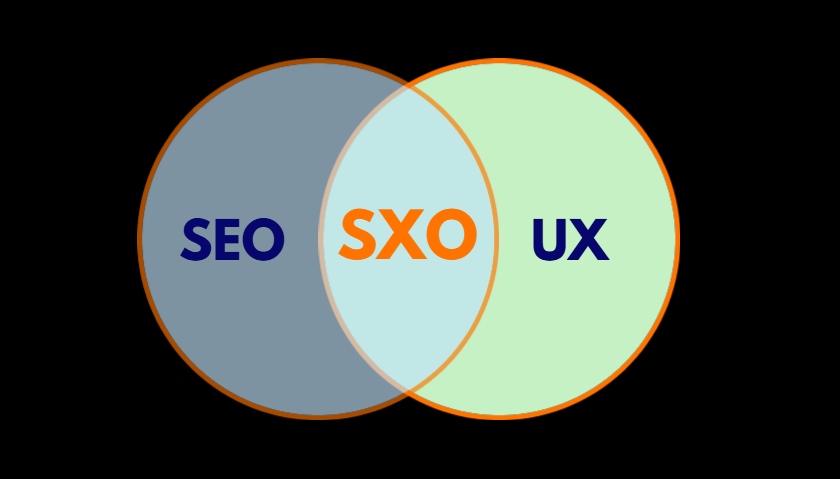
You worked hard on your website’s SEO. You found the right keywords. You built some links. But your visitors still […]
Read Post »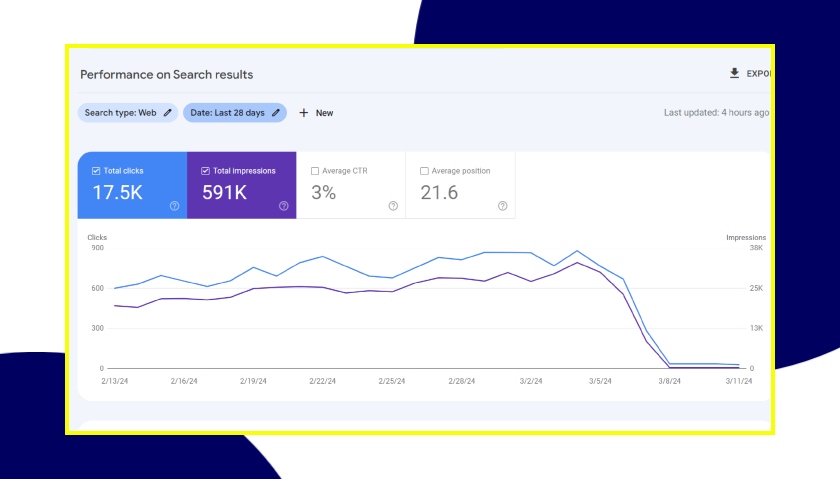
A sudden drop in your website’s organic traffic can feel like an emergency. One day, your analytics are steady; the […]
Read Post »
Copyright © 2026 White Bunnie -All Rights Reserved