










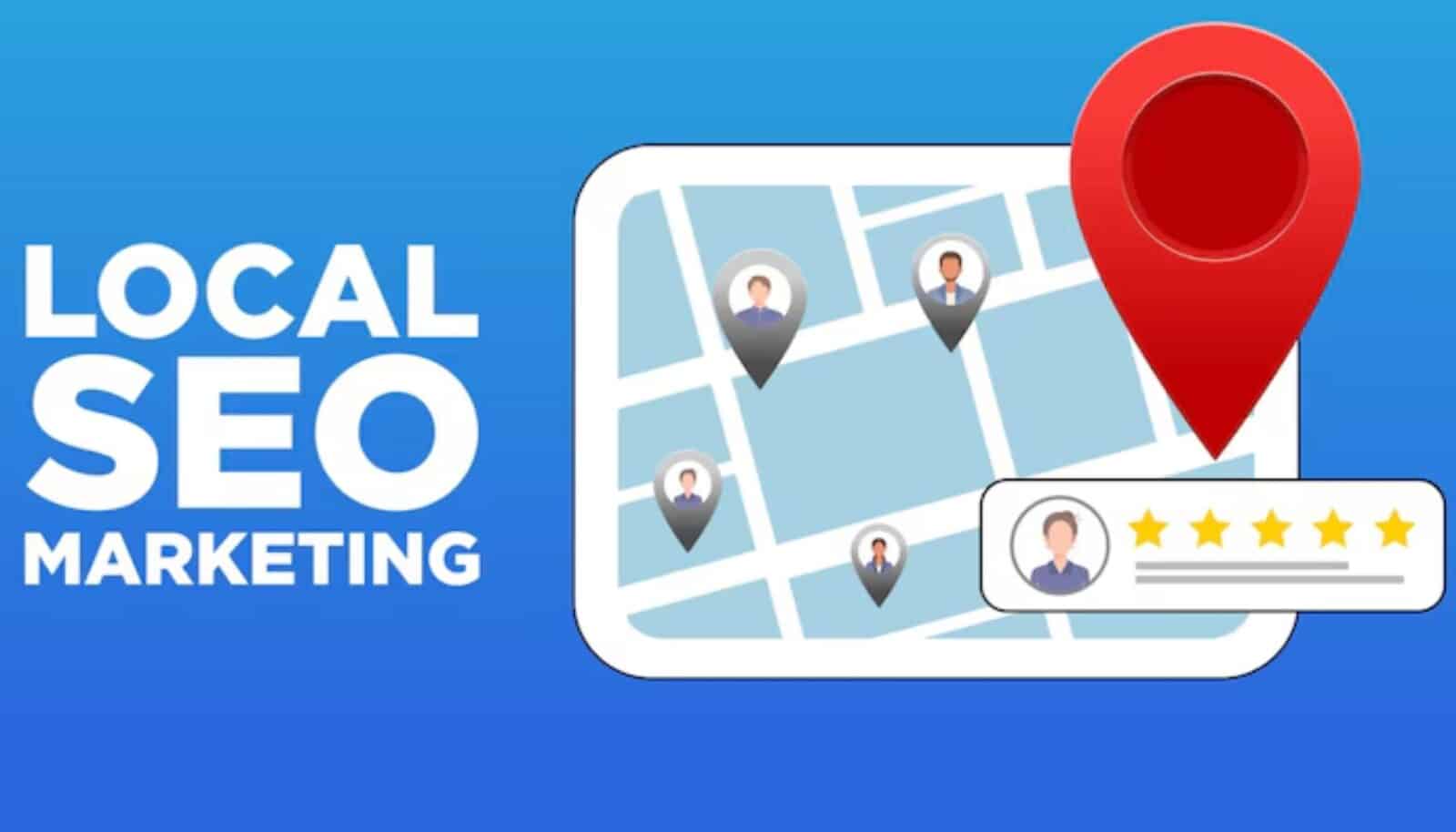
If you run a local business in India, the Google Local Pack (the 3 results with the map) is where most of your walk-ins, calls and WhatsApp leads can come from. Google uses three main signals for the Local Pack: proximity, relevance and prominence.
The good news: with a focused 30-day plan, you can move from “More places” to a visible spot in the Local Pack for core searches in your area. This guide walks through a simple, practical plan you can follow for cities like Noida, Delhi, Bengaluru, Pune or Ahmedabad.
How Google Local Pack Works
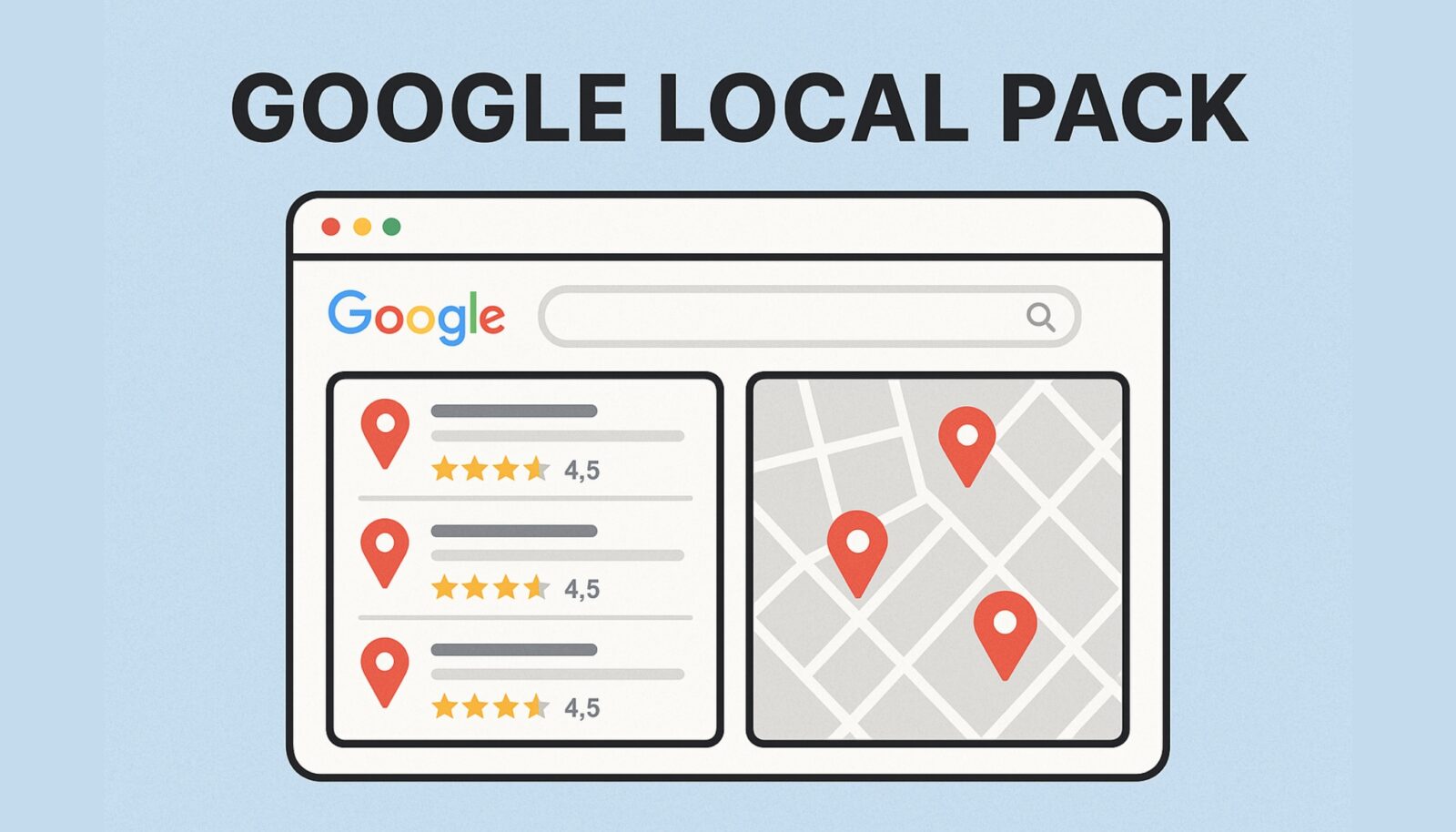
When someone searches “dentist in Noida Sector 62” or “CA near me”, Google shows three business listings with a map. That block is the Local Pack.
Google chooses which businesses show up based on three pillars:
-
Proximity – How close your business is to the user or to the area typed in the query (for example, “Rohini Delhi”).
-
Relevance – How well your profile, categories, description and website match the search.
-
Prominence – Your overall reputation: reviews, ratings, mentions on other sites, local links, and how active your profile looks.
Since the Vicinity update, proximity plays a stronger role, and keyword-stuffed business names are more risky.
You cannot change where your office sits on the map. You can control everything else. The 30-day plan below focuses on relevance and prominence, without violating Google’s guidelines.
30-Day Google Maps SEO Plan: Overview
We will break the month into four clear weeks:
| Week | Focus | Main Outcome |
|---|---|---|
| Week 1 | Fix basics and verify profile | Clean, accurate, verified Google Business Profile |
| Week 2 | Boost relevance | Listings and pages that match real searches in your city |
| Week 3 | Build prominence | More reviews, citations and authority |
| Week 4 | Engage and measure | Ongoing signals that show your business is active |
You can repeat parts of this plan for every branch if you run a multi-location brand across Noida, Delhi, and other cities.
Week 1: Set Up and Clean Up Your Google Business Profile
1. Claim, verify and secure your profile
-
Search your brand name on Google.
-
If you see a right-hand panel or map listing, claim it.
-
If not, create a Google Business Profile (GBP) from your Google account.
Complete verification by postcard, phone, email or video as Google offers for your category and region.
Tip for India: Use the exact legal name of your business. Do not add “best”, “Noida”, “Delhi” or “near me” inside the name. This now increases the risk of suspension.
2. Fix NAP and core details
Google wants consistent Name, Address, Phone (NAP) details.
Fill these fields inside your GBP:
-
Business name (legal and consistent with your board and website)
-
Address (include building, sector, landmark where useful)
-
Service areas (for example, “Noida, Ghaziabad, East Delhi”)
-
Main phone number (use a number you pick up)
-
Website URL (link to the most relevant local page, not always the homepage)
-
Opening hours, special hours (festivals, national holidays, weekly off)
Then check the same NAP details across:
-
Your website footer and contact page
-
India listing sites like Justdial, Sulekha, IndiaMART, Practo (for clinics), Magicbricks/99acres (for real estate)
Update where needed so Google does not see conflicting information.
3. Choose the right primary and secondary categories
Category choice is a strong Local Pack ranking factor in 2024–25.
-
Pick one clear primary category (for example, “Dental clinic”, “Digital marketing agency”, “Chartered accountant”).
-
Add 2–4 secondary categories that reflect extra services, but do not spam.
For example, a clinic in Noida might use:
-
Primary: Dental clinic
-
Secondary: Cosmetic dentist, Emergency dental service, Dental implants periodontist
This helps Google match your profile to more searches without changing your brand name.
Week 2: Build Relevance for Location and Your Niche
4. Write a clear, local description
Write a short description (around 250–300 characters) that covers:
-
Who you serve
-
What you do
-
Where you operate
For example, for a CA firm in Delhi:
“We are a chartered accountancy firm in Rajouri Garden, Delhi, helping small and mid-size businesses with GST, income tax and audits across West Delhi and Noida.”
Keep it natural, not stuffed with keywords like “best CA in Delhi best accountant Noida”.
5. Add services, products and attributes
In your GBP dashboard:
-
Add services with short explanations.
-
Add products (even if you sell services, you can add “packages”).
-
Use attributes like “Wheelchair accessible entrance”, “Women-led”, “Online appointments” where they apply.
These fields create more hooks for searches such as “women-led café in Delhi” or “online vet consultation Noida”.
6. Create or improve a local landing page
Do not rely only on your GBP. Support it with a strong local page on your website.
For example, create:
-
/dental-clinic-noida-sector-62/ -
/digital-marketing-agency-delhi/
On that page:
-
Use a simple H1 like “Dental Clinic in Sector 62, Noida”.
-
Mention nearby landmarks, metro stations, sectors.
-
Add 1–2 short case stories from local clients.
-
Embed a Google Map of your location.
Local pages help your site and GBP work together for both local SEO and Google Maps SEO.
Week 3: Build Prominence – Reviews, Citations and Links
7. Launch a 30-day review drive
Surveys of local pack ranking factors show that review quantity, rating and keywords inside reviews affect your visibility.
Set a clear, simple plan:
-
Ask every happy customer for a Google review.
-
Give them a direct review link from your GBP.
-
Request honest feedback; do not script exact phrases.
You can say:
“If you found our Noida clinic helpful, could you drop a short Google review? It helps other patients find us.”
Reply to all reviews:
-
Thank them.
-
Mention the service in natural language.
-
Address concerns in low ratings.
Engaged owners look more trustworthy to both users and Google.
8. Build and clean up citations
Citations are mentions of your business with NAP on other sites. They support your prominence and trust.
Create or fix profiles on:
-
Major platforms: Google, Facebook, Instagram, Bing Places
-
India directories: Justdial, Sulekha, IndiaMART, TradeIndia, Practo (health), Urban Company (if relevant)
-
Industry bodies: ICAI (for CAs), local doctor associations, FICCI/ASSOCHAM listings
Keep the same NAP and categories where possible.
9. Earn local links (even a few help)
Local links tell Google that real sites in your city trust you.
Start with:
-
Local business associations (Noida Entrepreneurs Association, Delhi Chambers, industry clusters)
-
Nearby partners (labs, pharmacies, hardware suppliers, interior designers, etc.)
-
Sponsorships of small events, school functions or RWAs where your logo and link can go on their site
Even 5–10 strong local links can support Local Pack visibility for competitive terms.
Week 4: Keep the Profile Active and Track Results
10. Post every week on your GBP
Google Posts are not a direct ranking factor, but they send a strong “active business” signal and improve clicks.
Post once or twice a week:
-
Short updates (“Free dental check-up camp in Sector 18, Noida this Sunday”)
-
New services (“Now offering Invisalign in Delhi clinic”)
-
Offers (“Flat consultation fees for first-time visitors this month”)
Use simple images. Avoid text-only posts.
11. Turn on messaging and call tracking
If available for your business type and region, enable:
-
Messaging so users can chat from the map result
-
Call history so you can see which calls came from Google
Add UTM tags to your website link (for example, ?utm_source=google&utm_medium=organic&utm_campaign=gbp) so you can see map traffic in GA4.
12. Review Insights and adjust
Inside your GBP Insights, check:
-
How many calls and website visits you get from Maps and Search
-
Which queries people type (for example, “braces in Noida”, “best CA in West Delhi”)
Use this data to:
-
Add missing services or content that match those queries
-
Create new local pages on your site if you see strong themes
This closes the loop between Google Maps marketing, your website, and your offline sales team.
Real-World Example: Noida Dental Clinic
A mid-size dental clinic in Sector 62, Noida came to White Bunnie with this problem:
-
They showed below the Local Pack for “dentist in sector 62 Noida”.
-
They had a profile on Google but with incomplete details and only 7 reviews.
Over 30 days, the clinic team and White Bunnie followed a plan similar to what you just read:
-
Week 1 – Fixed name, address and categories, added clear hours, and created a focused local page for “Dental Clinic in Sector 62, Noida”.
-
Week 2 – Added detailed services (braces, implants, child dentistry) and uploaded fresh photos from the clinic.
-
Week 3 – Ran a systematic review drive and reached 45 reviews with a 4.7 rating.
-
Week 4 – Posted weekly updates, tracked queries in Insights, and added content for “painless root canal in Noida” based on search terms.
Within a month:
-
They moved from positions 6–8 to the Local Pack for key searches in a 3–5 km radius.
-
Calls from Maps increased by about 40% compared to the previous month (based on call history and reception data).
Results vary by niche and city, but this shows that clean basics + consistent activity can shift your position even in a crowded area.
Common Mistakes That Hurt Local Pack Rankings
Avoid these shortcuts; they now do more harm than good:
-
Adding “best”, “Noida”, “Delhi” or “near me” inside your official business name
-
Creating fake locations using co-working spaces without real staff or signage
-
Buying reviews or posting reviews from your own office IP
-
Copy-pasting the same keyword-stuffed description on all platforms
-
Ignoring 1-star reviews or replying with copy-paste boilerplate
Google has improved its spam detection for local results. Cleaning up these issues can be as important as new optimization work.
Final Thoughts: Google Maps SEO as a Habit, Not a One-Time Task
You can see a real shift in 30 days if you focus on:
-
A complete, clean Google Business Profile
-
Strong relevance through categories, services and local pages
-
Real-world prominence through reviews, citations and local links
-
Active posting and tracking via Insights
From there, treat Google Maps SEO as a monthly habit. Set a simple checklist:
-
10 new reviews per month
-
2 GBP posts per month
-
1 new or updated local page per quarter
If you follow this with patience and clean practices, the Local Pack becomes a steady source of calls and customers for your business across Noida, Delhi and any other city you serve.
And if you ever feel your team needs deeper support, White Bunnie can step in with a structured local SEO and Google Maps strategy tailored to your industry and locations.