

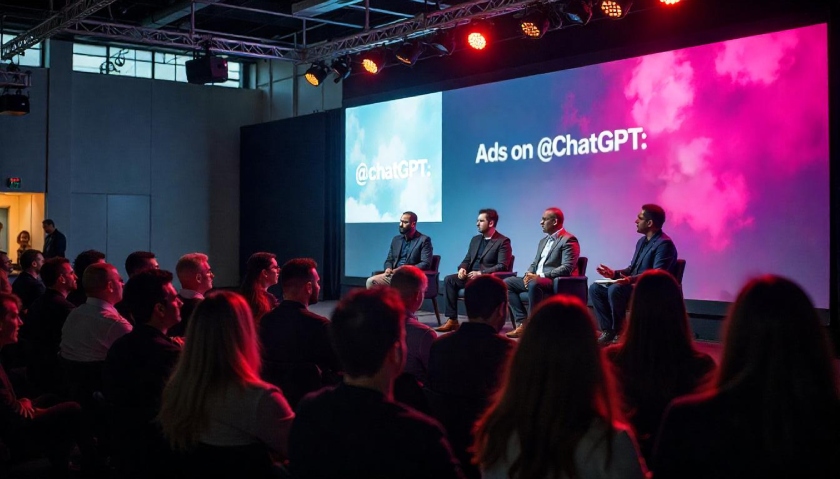
Ads on ChatGPT? What Every Marketer Should Know
-
Author
Saurabh Garg -
Publish
June 10, 2025 6:38 am -
Read Time
8 Min
 Lets talk










Fill in the Form below for a no-string attached free technical discussion.
The world of AI is shifting faster than we can blink, and every update is a new frontier for marketers. ChatGPT, with its conversational AI prowess and massive user base, is a platform brimming with untapped potential. The question is no longer, “Will advertising come to ChatGPT?” but rather “When and how will it change the game for marketers?”
While ads on ChatGPT don’t exist yet, it’s clear they’re on the horizon, with speculation pointing to a rollout as early as next year. For marketers, understanding this change isn’t just about staying ahead; it’s about preparing to thrive. Here’s what every marketer should know about the potential future of advertising on ChatGPT.
ChatGPT attracts millions of weekly users who actively engage with the platform to solve problems, learn, and make decisions. These aren’t casual scrollers or passive viewers like on social media. ChatGPT users type in thoughtful, precise queries, often signaling higher levels of intent. This creates a unique space for advertising, one that aligns directly with user needs and behaviors.
Imagine this scenario: A user engages ChatGPT to ask about the best hiking backpacks for a long trek. Instead of sifting through a slew of e-commerce listings or endless blog posts, they could be presented with targeted, relevant ads right alongside actionable product recommendations. This integration allows ads to feel more like help than interruptions, a seismic shift from the current digital marketing setup.
If history has taught us one thing, it’s the rewards of being an early adopter. Businesses that embraced Google Ads early saw sky-high ROI at minimal cost, and the same went for Facebook ads in their infancy. ChatGPT advertising has the potential to mirror these early opportunities.
Marketers who act early could gain:

ChatGPT isn’t your typical ad platform, and its conversational interface suggests a new kind of ad experience. Think less “clickable banners” and more “contextual, helpful suggestions.” Here’s how it might play out:
This approach points to a subtle but revolutionary shift in how ads are presented and perceived. ChatGPT has the potential to deliver advertising that feels like a natural extension of the user’s experience rather than an intrusive sales pitch.
Of course, every opportunity comes with its set of challenges, and ChatGPT advertising will be no exception. Here’s what marketers need to keep in mind:
Some industries may shine brighter on ChatGPT than others. Products that require research and planning (think software, home improvements, or educational courses) will likely perform better than impulse buys like fashion accessories.
Given the complexity of building such an ad platform, OpenAI may prioritize larger companies and enterprise clients during the early stages, making it harder for smaller businesses to jump in right away.
Maintaining the conversational, helpful nature of ChatGPT while introducing ads will be a tough balancing act. If done poorly, users may reject the platform entirely.
Integrating ChatGPT’s ad data into your overall marketing strategy might take time. It’s likely that analytics tools and tracking systems will need to evolve to measure performance accurately.
Just because ChatGPT advertising isn’t here yet doesn’t mean you can’t get ready. By laying the groundwork now, you’ll be better equipped to hit the ground running when it does arrive. Here are actionable steps to start today:
The first step is familiarizing yourself with ChatGPT. Spend time engaging with it as a user to understand its conversational dynamics and how people interact with it. This knowledge will be invaluable when it’s time to develop ad strategies.
Start adapting your content strategies to be more conversational. This doesn’t just mean making your copy chatty but thinking about how to provide value through dialogue. Practice crafting messaging that feels like a response to a question instead of a straight-out pitch.
User questions, preferences, and pain points should be at the foundation of your ads. Build and organize your own customer data now to improve targeting when ChatGPT advertising is live.
Keep tabs on updates from OpenAI or industry news regarding ChatGPT ads. The more you know, the better prepared you’ll be to act quickly once the platform’s advertising options go live.
Even before ads launch, consider how your brand can organically appear on ChatGPT responses. For instance, use SEO tools specifically designed for AI-driven content to maximize your visibility on platforms like ChatGPT today.
Advertising on ChatGPT, when it arrives, won’t just add another tool to a marketer’s toolkit; it could redefine the entire landscape of digital advertising. By presenting ads as useful, well-timed, and conversational, it creates opportunities to connect with consumers in deeply personal and non-intrusive ways.
For forward-thinking marketers, the key is to embrace this shift, adapt your strategies, and stay ready. Whether it’s testing conversational content, exploring new approaches like how AI predict algorithm changes, or building intimate customer profiles, small steps today will pay off when the ChatGPT advertising train leaves the station.
The development of advertising on ChatGPT will open doors to entirely new ways of reaching and engaging users. This future isn’t one to fear; it’s one to strategically prepare for. By staying informed, developing conversational ad strategies, and building a customer-first approach, marketers can position themselves to lead the charge into this next evolution of digital marketing. The question for you is simple – will you be ready when the opportunity arrives?

Saurabh Garg, the visionary Chief Technology Officer at Whitebunnie, is the driving force behind our cutting-edge innovations. With his profound expertise and relentless pursuit of excellence, he propels our company into the future, setting new standards in the digital realm.

In the age of AI, search engines like Google are changing the game. Instead of classic text results, Google now […]
Read Post »
In the fast-paced world of digital marketing, staying ahead of the curve is paramount for businesses looking to engage and […]
Read Post »
What This Means for You as a Marketer Google launched dedicated Search Generative AI performance reports in Search Console on […]
Read Post »
Copyright © 2026 White Bunnie -All Rights Reserved