

Multimodal SEO: Optimizing for Text, Image, Voice & Video Search
-
Author
Saurabh Garg -
Publish
November 17, 2025 7:41 am -
Read Time
8 Min
 Lets talk











Fill in the Form below for a no-string attached free technical discussion.
Search in India has changed in a way that most businesses never prepared for. A user now moves across formats without thinking about it. They may type a query on Google, watch a YouTube video to understand the topic, open Google Lens to analyse a product, and then confirm the answer through an AI Overview. This mixed behaviour is not a “trend.” It is the new default. If your content speaks only in one format, you lose visibility in the other three.
This is where Multimodal SEO becomes essential.
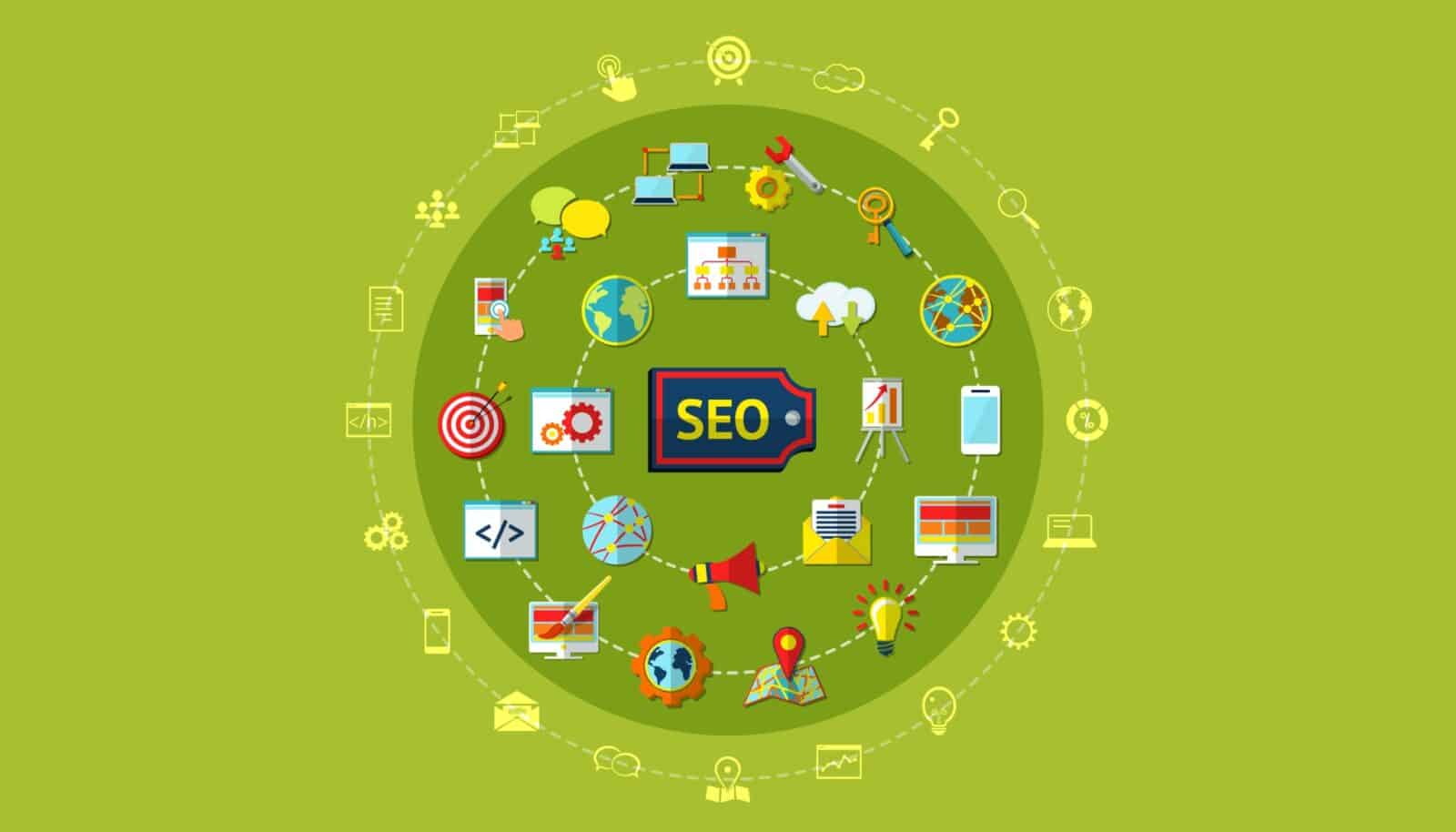
Multimodal SEO means creating content that works across text, images, voice and video.
Text – Blogs, landing pages, FAQs
Images – Product photos, graphics, screenshots
Voice – Conversational queries and spoken answers
Video – YouTube tutorials, short videos, product demos
Search engines and AI models no longer rely on written pages alone. They extract meaning from visuals, audio and video frames and combine these signals to decide what to show a user. If your brand appears only through text, you leave out a huge part of the discovery process.
Google, YouTube, Instagram, WhatsApp, and even ChatGPT use multimodal understanding. They pick up cues from how you write, how your product looks, how you explain a topic in a video and how your brand answers conversational questions. Multimodal SEO ensures you remain visible across all of these surfaces.
Multimodal SEO helps your brand appear in:
AI Overviews
Google search results
Image packs
Lens-based lookups
Voice responses on mobile
YouTube suggestions
If your content works in only one format, you lose visibility in the rest.
A few ground realities in India:
Mobile-first nation: Many users browse on low bandwidth and prefer short, clear content.
YouTube-first approach: For topics like finance, skincare, health, tech and DIY, Indians often watch before they read.
Growing use of voice: Searches like “best dosa near me,” “loan EMI kitna hoga,” and “system kaise fix kare” keep increasing.
Regional language patterns: A single search journey may include English, Hindi or Tamil in the same flow.
Rise of Google Lens: People point their camera at shoes, medicines, food items and beauty products to identify them.
If your brand shows up only as text in classic blue links, you miss:
Image packs
Video carousels
AI Overviews
Voice answers
That is the gap multimodal SEO fills.
Text still provides structure to your content, even when videos or images lead discovery. Good text content is simple, direct and organized.
Keep paragraphs short and easy to scan
Use clear headings that define the topic
Add a summary in the first 3–4 lines
Place answers near the top of the page
Update your examples and facts to match current rules and prices
A fitness studio in Bengaluru that wants to rank for “Pilates classes Indiranagar” should:
Create a central page explaining class types, prices and timings
Add a short comparison table for beginners vs intermediate learners
Keep a “What to expect in your first session” section
Add a simple list of nearby areas like Koramangala, Domlur and Ulsoor
AI Overviews prefer structured, factual content. When your page answers the question clearly, it earns more visibility.
People often see images before text. Google Lens is now a major discovery tool in India for fashion, food, beauty and home products.
Clear filenames that describe what the image shows
Meaningful alt text that explains the image in plain language
Lightweight WebP files that load fast
Original visuals instead of overused stock images
Graphics or step-by-step visuals that simplify complex topics
If a brand sells niacinamide serum, its images should include:
Clean product photos
A “how to apply” graphic
A before/after collage
A comparison chart showing 5% vs 10% concentration
When someone searches for “best niacinamide serum in India,” Google often displays image packs. Optimised visuals give your brand a chance to appear even if users skip text.
Voice Search Optimization in India is direct and conversational. People do not speak in keywords. They speak in complete questions.
Typical queries sound like:
“Tailor near me open now”
“Best UPSC coaching fees kya hai”
“Laptop ka RAM kaise check kare”
Your content should answer the exact questions people speak.
Add a clear FAQ section on every important page
Write answers in simple sentences
Include local service areas
Place contact details where voice assistants can read them
Use schema markup so machines can understand context
An FAQ section for a mobile repair centre may include:
Q: How long does screen replacement take?
A: “Most replacements take 45 minutes at our Kothrud centre.”
Q: Do you offer doorstep pickup?
A: “Yes. We offer free pickup in Kothrud, Karve Nagar and Deccan.”
Short, factual answers make your page more likely to be used in spoken results.
For many people, YouTube is the primary search engine. Videos build confidence, and AI systems use them to validate claims. Strong video SEO helps your videos rank and appear in carousels, suggestions and search panels.
A clear title that mirrors real search queries
A short summary in the description
Timestamps (chapters)
Subtitles for clarity
A link to the related blog or service page
A tax consultant in Pune posted a 7-minute video titled:
“Old vs New Tax Regime 2025: Which Saves More?”
The description included a step-by-step breakdown and a link to a blog on the same topic.
Results after three months:
The video ranked for relevant tax queries
Many visitors landed on the consultant’s site from YouTube
Meetings increased because the consultant “felt trustworthy”
Video and text supported one another. That reinforcement is the core of multimodal strategy.
AI systems look for clarity, accuracy and helpful structure. They prioritise content that explains the topic well, uses current information, and remains consistent across text, image and video. Pages with real examples, updated prices, and India-specific context often perform better because they help the model answer the user’s question with confidence.
If your text, visuals and videos tell the same story, AI systems treat your brand as a reliable source.
The simplest way to start with multimodal SEO is to pick one important topic and build it across all formats. If your business sells water purifiers, you might create a blog comparing RO and UV systems, design a small graphic showing the differences, record a short explanatory video, and support it with a few practical FAQs. Each asset enhances the other, and the combined effect is far greater than a single blog or video.
At White Bunnie, we often follow a structured approach: define the main question, write a clear article around it, add two or three useful graphics, create one detailed video, and support it with updated data and FAQs. Even small businesses can use this method to improve visibility across text, visual and audio surfaces.
Multimodal SEO is no longer optional. It reflects how people in India search today across screens, formats and languages. When your content works in text, images, voice and video, you meet users where they already are. More importantly, you make it easier for AI systems to understand, trust and recommend your brand.
Whether you run a local shop or a national company, the goal is simple: answer the user’s question in every format they use. When you do this well, visibility follows naturally. If you want to build a multimodal strategy that fits your industry, White Bunnie can help you shape the content, structure and assets for stronger search performance and beyond.

Saurabh Garg, the visionary Chief Technology Officer at Whitebunnie, is the driving force behind our cutting-edge innovations. With his profound expertise and relentless pursuit of excellence, he propels our company into the future, setting new standards in the digital realm.

In 2024, fintech companies need strong SEO to stand out online. The key is mastering content strategy and performance analysis. […]
Read Post »
Google Search is tailored to deliver personalized results based on your location. While this is helpful for most searches, there […]
Read Post »
Keeping your website’s content sharp, current, and effective can feel like a nonstop job. There’s always something new to write, […]
Read Post »
Copyright © 2026 White Bunnie -All Rights Reserved