


How To Grow Organic Reach for Low Domain Authority eCommerce Sites
-
Author
Saurabh Garg -
Publish
December 9, 2024 10:05 am -
Read Time
6 Min

 Lets talk











Fill in the Form below for a no-string attached free technical discussion.
Growing your low domain authority eCommerce business with SEO is not just about increasing traffic but also about boosting revenue. In this blog, we will walk you through eight essential steps to enhance your low domain authority eCommerce SEO strategy, complete with examples and actionable tips.
eCommerce SEO offers several advantages:
Example
The keyword “electric e-scooter” has a search volume of 74k searches per month. A website with low domain authority ranks #1 for this keyword, demonstrating the potential for high rankings even with a new site.

Here are 8 secret essential steps you may like to follow to achieve success and turn your dream into reality of a successful eCommerce store.
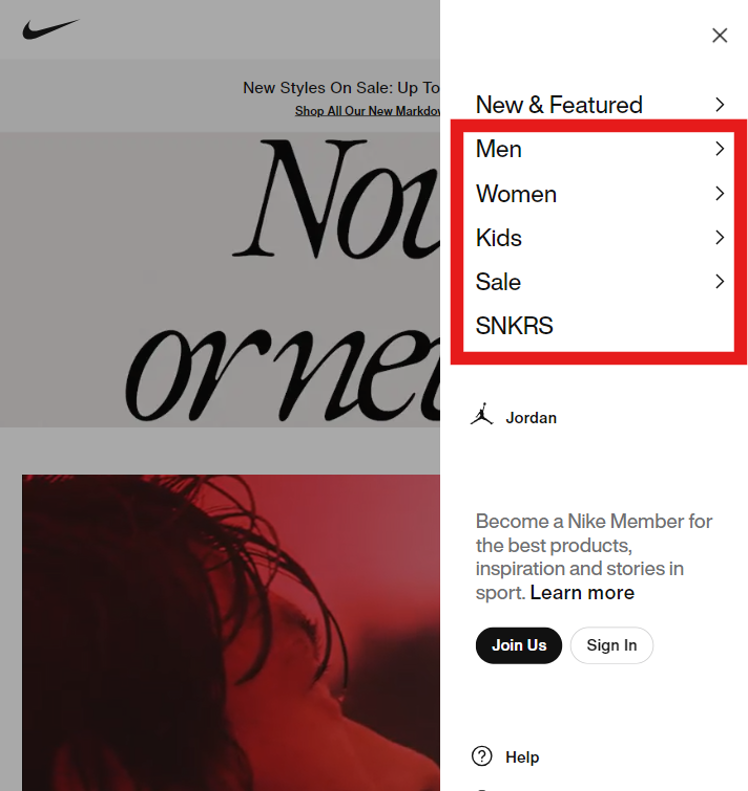
Your mobile navigation should be dynamic and show only main relevant pages. Avoid big menus as they can overwhelm users and crawlers. A well-structured menu improves navigation, crawlability, and rankings. For expert assistance, partnering with an Ecommerce Website Development Company can simplify this process.
Create content that helps users throughout their purchasing journey. Focus on:
Investing in professional Content Writing services ensures your blog content resonates with your audience.
When your website is comparatively new, optimize your product pages for long tail keywords with detailed descriptions, high-quality images, and internal links from other pages. This will help trigger long-tail queries related to specific features, brands, and codes.
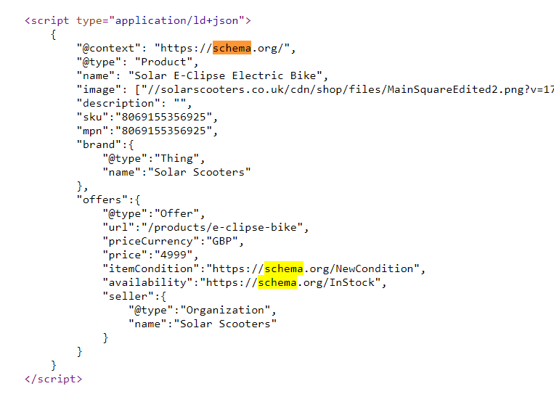
Implement structured data to send information quickly to Google’s index. Essential markups include:
Customer reviews build trust, credibility, and experience, which are crucial SEO ranking factors. Reviews help to build trust and credibility with potential customers, which can lead to higher engagement and increased conversion rates. Many eCommerce stores also experienced increased average order value (AOV) by providing social proof as reviews help customers make informed purchasing decisions.
Ensuring your eCommerce site is mobile-friendly is crucial for success. Leverage Mobile SEO Services to improve performance and visibility on mobile devices. Key elements to include in the first fold of your mobile site without scrolling:
Create collection pages that target relevant queries to capture search demand. Tools like AnswerThePublic and AlsoAsked.com can help you discover untapped keyword opportunities. For instance, Livestream Commerce trends might open avenues for niche-specific keyword targeting.
Example: Do you need a license for an electric scooter, Do e-scooters need insurance, etc.?
Internal linking improves site hierarchy and structure, leading to better crawling and ranking. Scale internal linking by adding:
Add related products and pages in your contextual blogs.
Boost your eCommerce revenue by following these eight steps:

Saurabh Garg, the visionary Chief Technology Officer at Whitebunnie, is the driving force behind our cutting-edge innovations. With his profound expertise and relentless pursuit of excellence, he propels our company into the future, setting new standards in the digital realm.

In the ever-evolving world of real estate, getting your listings to rank on Google has never been more critical. With […]
Read Post »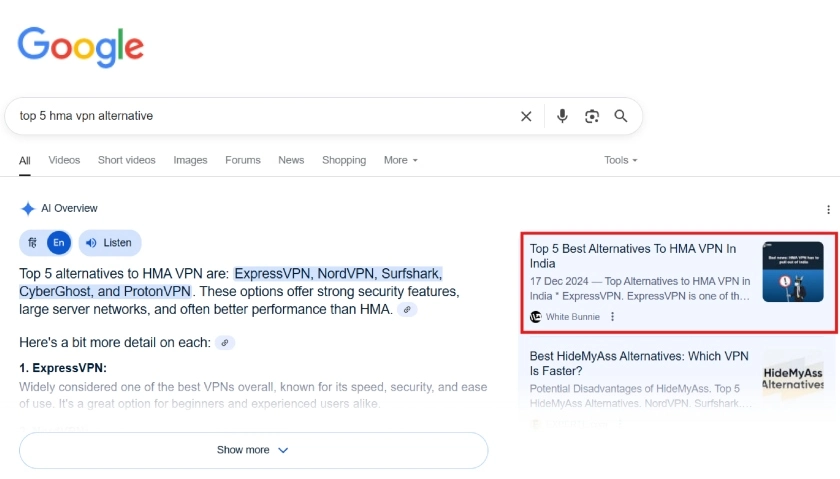
Landing a spot in Google’s AI-generated search results has become a real boost for businesses and creators alike. As Google’s […]
Read Post »
In 2025, getting noticed online takes more than just showing up on search engines. The rise of large language models […]
Read Post »
Copyright © 2026 White Bunnie -All Rights Reserved